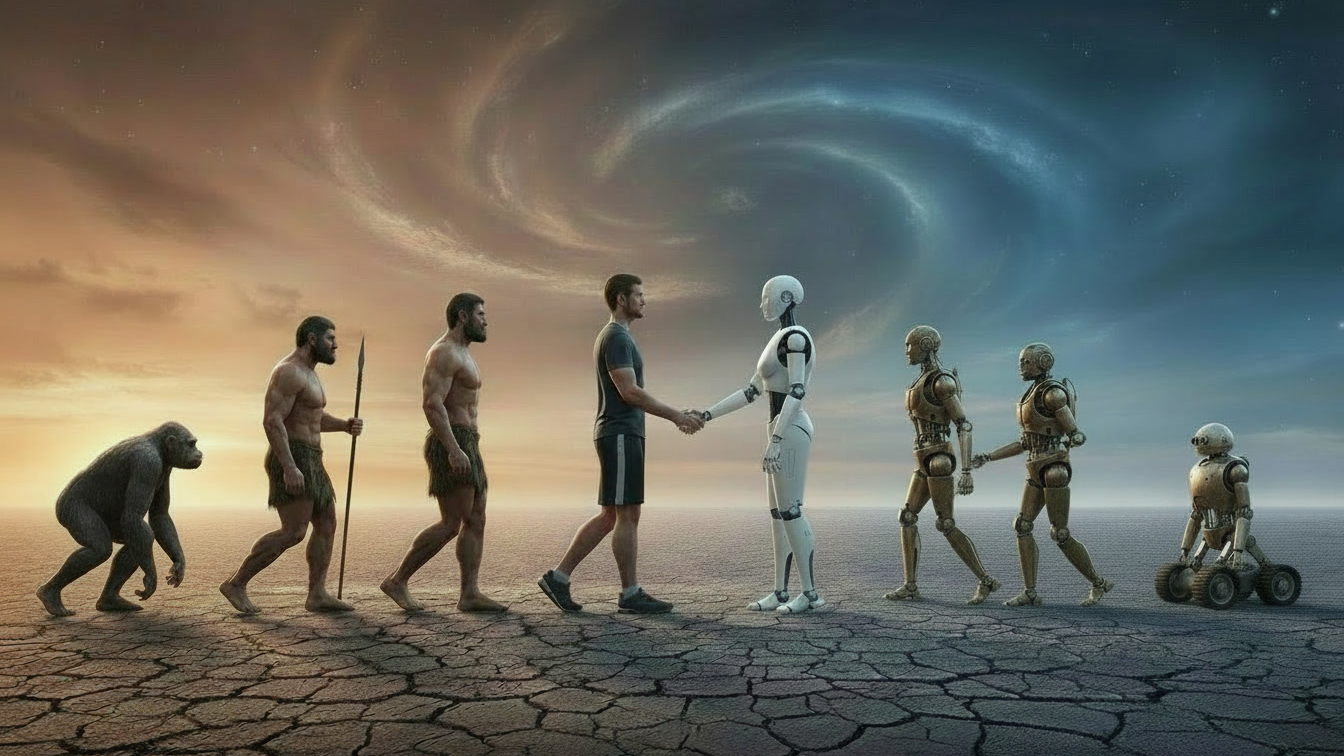
The rise of artificial intelligence is reshaping not only how organisations operate, but also what it means to be prepared for the future of work. As AI becomes embedded in everyday processes, from data analysis to customer engagement, the most valuable asset a company can cultivate is a workforce equipped to use it confidently, creatively and responsibly.
Just as employees once adapted to the introduction of computers, the internet and cloud technologies, the next major shift is learning to collaborate effectively with intelligent systems. The question is no longer whether AI will influence the workplace - it already has - but whether people are ready to evolve alongside it.
In a recent BBC interview, Sundar Pichai, CEO of Google, captured this perfectly: “It [AI] will evolve and transition certain jobs, and people will need to adapt". Those who do adapt to AI, he said, “will do better.”
And that’s the heart of it. AI isn’t about replacement it’s about readiness. The organisations that thrive in the coming decade will be the ones that invest not just in tools, but in people: upskilling teams, strengthening digital literacy and building cultures where learning and experimentation are encouraged.
why an AI-ready workforce matters
Artificial intelligence is more than a technical upgrade, it represents a cultural and operational transformation. It reshapes how teams communicate, make decisions and deliver value. Organisations that adopt AI without preparing their people risk confusion, inefficiency and resistance. An AI-ready workforce, however, recognises that AI doesn’t replace human skills; it amplifies them.
When employees understand how to collaborate with AI, they become quicker problem-solvers, more innovative thinkers and more confident decision-makers. In this evolving landscape, success relies not just on technical knowledge, but on adaptability, curiosity and a strong sense of ethical responsibility.
the new core skills
Building an AI-ready workforce doesn’t mean turning everyone into data scientists. It means developing a balanced mix of human and digital capabilities that enable people to use AI effectively.
These include:
-
Digital Literacy: Understanding how AI tools work, where their data comes from and how to interpret their outputs.
-
Critical Thinking: Applying human judgment to AI-generated insights, asking the right questions and identifying limitations or biases.
-
Collaboration and Communication: Working across teams and disciplines to integrate AI into projects and clearly share findings.
-
Ethical Awareness: Recognising the responsibilities involved in using AI, particularly around privacy, fairness and transparency.
These are not purely technical abilities they are human skills enhanced by technology. The most successful employees of the future will be those who pair emotional intelligence with strong digital fluency.
how companies can prepare their teams
Creating an AI-ready workforce is a shared responsibility between leaders and employees. It requires a clear strategy, ongoing training and a culture that values learning over fearing change.
Offer accessible training and experimentation spaces: Give employees time, guidance and safe environments to explore AI tools from simple chatbots to advanced analytics without fear of making mistakes.
Encourage cross-functional collaboration: Invite teams from marketing, HR, finance, IT and beyond to share how they use AI. This breaks down silos and builds a collective understanding of its potential.
Lead by example: When leaders actively use AI in their own work, they demonstrate that it is a meaningful and trusted tool rather than a temporary trend.
Reward curiosity and innovation: Recognise employees who responsibly experiment with AI and identify new ways to improve workflows or add value.
Embed ethics into training: Teach not only how to use AI, but how to use it responsibly. Trust grows when people understand both the possibilities and the limitations of the technology.
By fostering these habits and mindsets, organisations can build a workforce that feels confident, capable and ready for an AI-enabled future.
The future of work won’t be defined by who has the most powerful AI, but by who has the most prepared people. In an age of intelligent systems, the real competitive advantage isn’t automation it’s adaptation.
Contact us to learn how building an AI-ready workforce one grounded in ethics, transparency and human creativity can strengthen decision-making, foster trust and create lasting value for your business and your people.