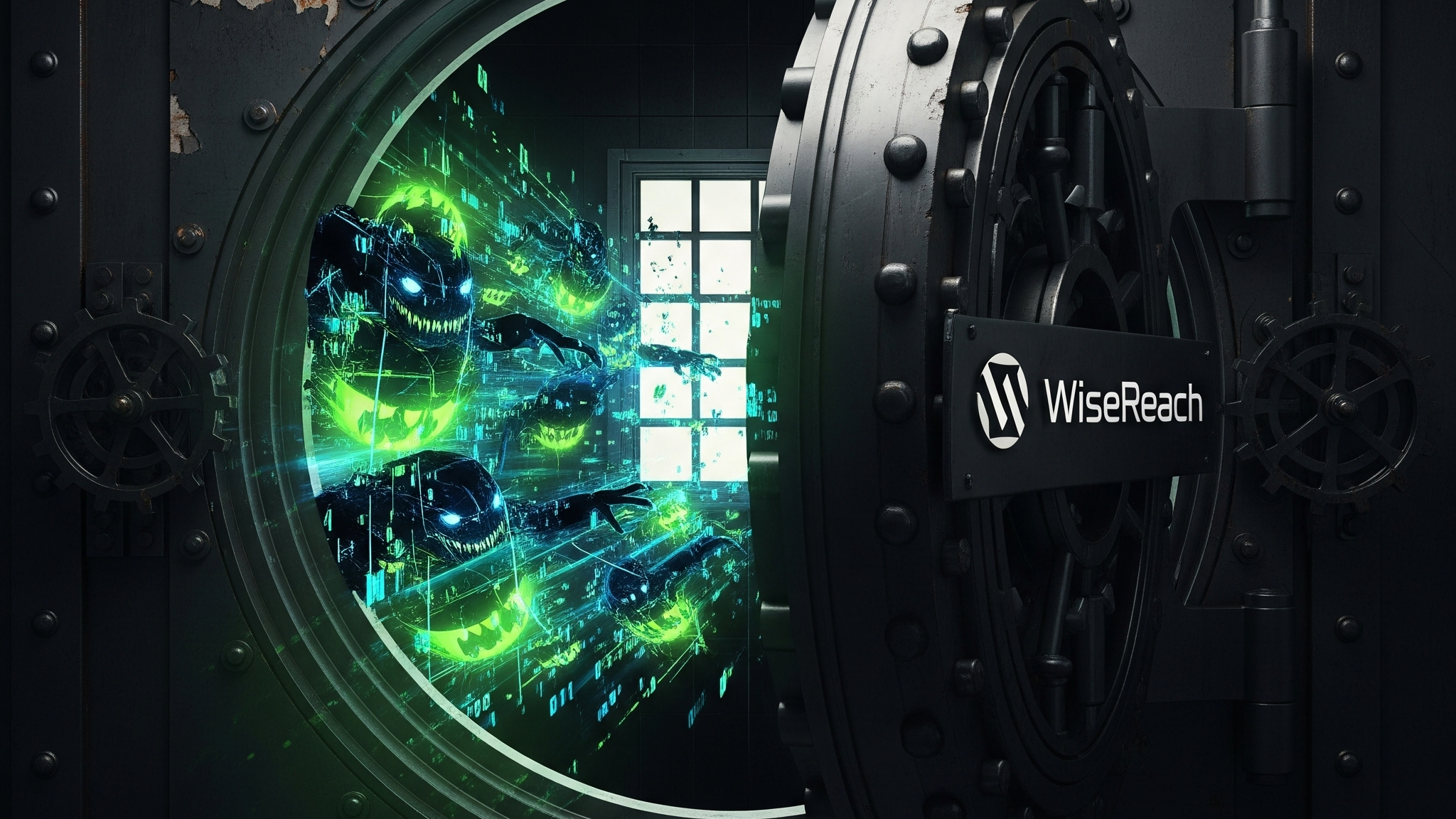
In the insurance industry, trust is the most valuable currency. Your customers entrust you with their most sensitive personal and financial data, expecting it to be protected. However, many insurers still operate on legacy technology designed for a different era and dangerously ill-equipped to defend against today's sophisticated cyber threats.
While these outdated systems may still handle day-to-day operations, they harbour hidden risks that can lead to massive financial losses, regulatory penalties, and irreparable reputational damage. Ignoring these vulnerabilities is like locking the front door while leaving all the windows open.
the hidden risks of legacy systems
So what are the most critical areas where your legacy insurance systems put your business in jeopardy?
patch and protocol gaps
Many legacy systems cannot receive timely security patches due to compatibility issues or an end-of-life status. This leaves them vulnerable to common threats like ransomware and zero-day exploits. Additionally, they often rely on outdated and unsecured communication protocols (such as FTP or Telnet), which can expose your data to man-in-the-middle attacks. This lack of modern security not only makes your business a target but also prevents you from integrating with more secure cloud services.
weak authentication and access controls
Older applications often rely on outdated authentication methods, such as plain-text passwords and a lack of multi-factor authentication (MFA). They also typically lack the granular, role-based access controls needed to restrict who can see and modify data. This makes your systems susceptible to insider threats and credential-based attacks, and it makes it nearly impossible to meet modern security standards like NIST or ISO 27001.
data security deficiencies
Without modern encryption for data both at rest and in transit, sensitive financial and personal information is left vulnerable to breaches. Many legacy systems also struggle to meet evolving privacy regulations such as GDPR, HIPAA, and CCPA. Failure to comply can lead to significant legal penalties, hefty fines, and the complete erosion of customer trust after a data breach.
limited monitoring and integration
Legacy systems often lack crucial features like real-time logging and anomaly detection. Their proprietary formats and closed architectures create visibility blind spots, making it difficult to integrate with modern Security Information and Event Management (SIEM) tools. This severely delays the detection of breaches and weakens your ability to conduct effective forensic investigations, forcing you to rely on manual, error-prone workarounds that can introduce new vulnerabilities.
supply chain and component vulnerabilities
Older platforms frequently depend on outdated third-party libraries or integrations that are no longer actively maintained. These dependencies create "hidden" attack surfaces that can be exploited by cybercriminals. A breach originating from an external partner or vendor can compromise your entire system, making it difficult to certify your systems as secure and creating a cumulative "security debt" that is expensive to resolve.
the path to a secure future
Fixing these risks is not just an IT task; it's a strategic business necessity. The time to modernize your systems is now. A successful approach includes:
- Immediate Risk Reduction: Address critical vulnerabilities with incremental upgrades and targeted security enhancements.
- Strategic Re-platforming: Plan for long-term resilience by migrating to modern, secure platforms built for today's threat landscape.
- Talent Retention and Development: Invest in your team by providing the training and resources needed to manage the transition and maintain a strong security posture.
Cyber threats are evolving faster than insurance policies. Relying on outdated systems is a gamble you can't afford to take. The time to secure your future is now.
don't wait for a breach to act
Modernizing your legacy systems can feel overwhelming, but you don't have to navigate it alone. Wisereach offers the guidance and support you need to develop a strategic roadmap, minimize risk, and build a resilient, future-proof platform.