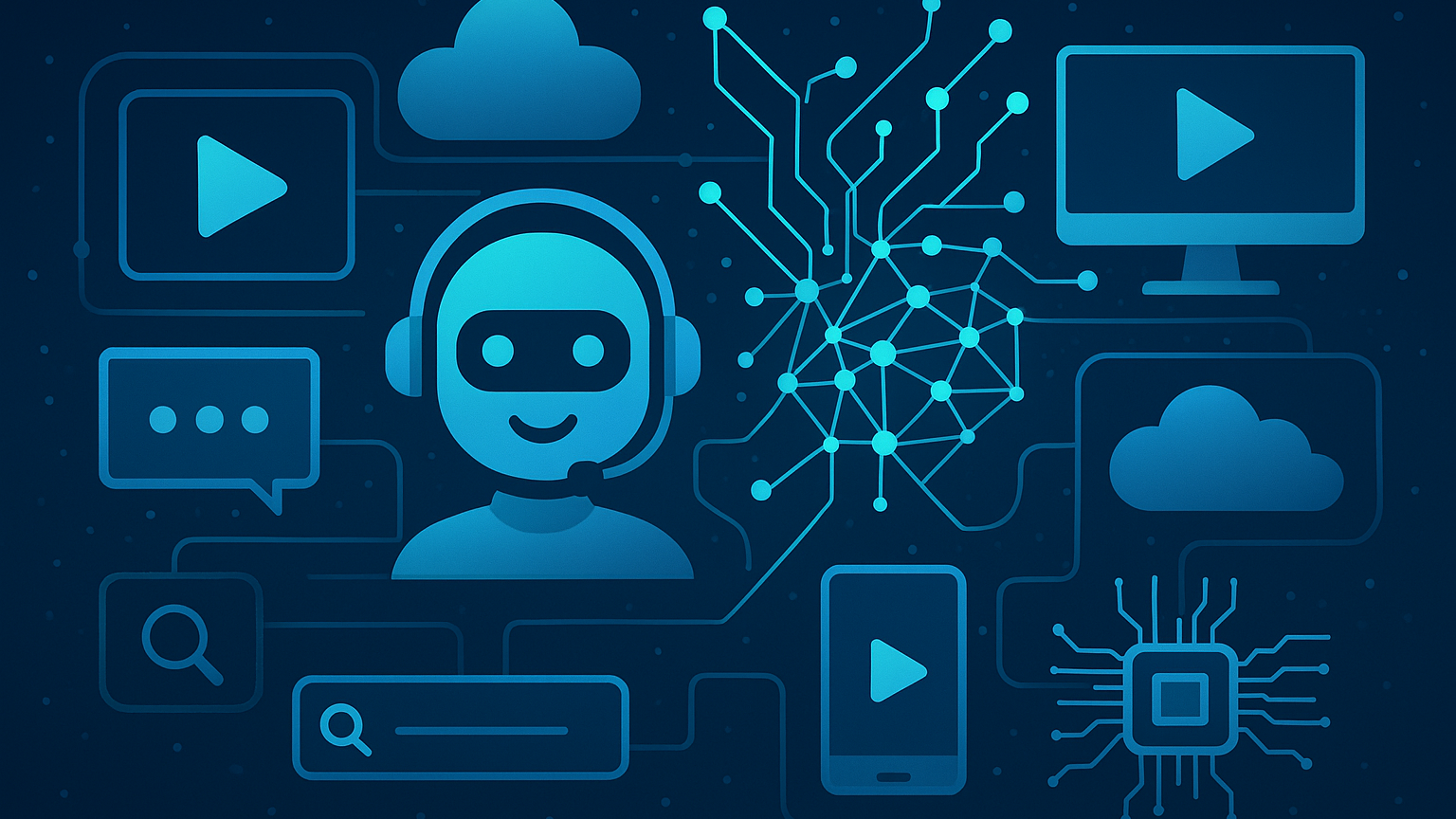
Just as television once shifted from scheduled broadcasts to on-demand streaming, the way people access and use information is now being transformed by artificial intelligence. What began as an emerging technology used by specialists has rapidly become part of everyday life. AI is no longer a futuristic concept. It has become a normal fixture in how people learn, work and interact with the world around them.
a parallel to the streaming revolution
When streaming platforms first appeared, they revolutionised entertainment by making content instantly accessible. People no longer had to wait for programmes to air or worry about missing them; they could choose what to watch, when they wanted. In much the same way, AI has changed how people find and process information. Instead of manually searching through pages of data or websites, users can now ask AI systems direct questions and receive tailored, instant answers.
Chatbots, virtual assistants and tools like ChatGPT or Google’s Gemini have become the new “streaming services” of knowledge delivering personalised, on-demand access to information that fits individual needs and preferences.
everyday integration of AI
AI has quietly woven itself into daily routines. From recommending music and films on streaming platforms to curating news feeds and assisting with writing or translation, AI is working in the background almost everywhere. Smart home devices like Alexa and Google Assistant have turned AI into a household presence, just as smart TVs did for streaming.
In workplaces and classrooms, AI is also becoming indispensable. It helps professionals analyse data, draft reports and generate creative ideas. For students, AI tools assist with research, summarisation and learning support changing not only how information is accessed but how knowledge itself is developed.
the shift in expectations
Just as viewers came to expect flexibility and control from streaming, people now expect immediacy and precision from AI. Searching manually or waiting for responses feels outdated in the same way as waiting for a television broadcast once did. The idea of “instant access” once revolutionary is now a standard expectation, whether it’s entertainment or information.
This shift has also changed how people think about expertise. Instead of relying solely on traditional sources or institutions, individuals can now consult AI systems for insights, explanations and even decision-making support. While this raises questions about reliability and ethics, it also democratises knowledge on a scale never seen before.
expansion, not replacement
Just as streaming didn’t eliminate television but expanded how people watch. AI isn’t replacing traditional ways of learning or researching, it’s enhancing them. It offers new pathways for creativity, problem-solving and exploration. Businesses, educators and governments are beginning to integrate AI not as a temporary tool but as a permanent layer in how society operates.
The technology is advancing at remarkable speed, becoming more conversational, intuitive and context aware. Like streaming, AI’s growth is not slowing down, and is expanding into every corner of digital life, from healthcare and education to entertainment and everyday communication.
The future of information is no longer scheduled or static; it’s intelligent, interactive and always within reach.
Contact us today to help empower your progress with AI.