
The Role of AI in Debunking Conspiracy Theories
AI tools like DebunkBot leverage conversational techniques to engage users who harbour conspiracy beliefs. The premise is simple: can AI persuade someone to reconsider their stance on a conspiracy theory? The research indicates that it can.
DebunkBot is built on the ChatGPT framework, which is known for its ability to process and respond to various inquiries. The tool aims to create a comfortable environment for users to express their beliefs while guiding them toward factual information. As AI continues to evolve, its potential to influence public perception and combat misinformation becomes increasingly significant.
Using DebunkBot: A Practical Example
In a recent demonstration, one user challenged DebunkBot with the belief that conspiracy theories often contain a seed of truth. DebunkBot responded by acknowledging this perspective but cautioned that the allure of a "seed of truth" can mislead individuals. For instance, it highlighted the false claim that COVID-19 vaccines cause autism, which stemmed from a fraudulent study.

DebunkBot emphasized the importance of differentiating between provable facts and unfounded claims. This approach resonates well with users who might be skeptical of traditional information sources, as it encourages them to think critically about their beliefs.
Engaging with Conspiracy Theorists
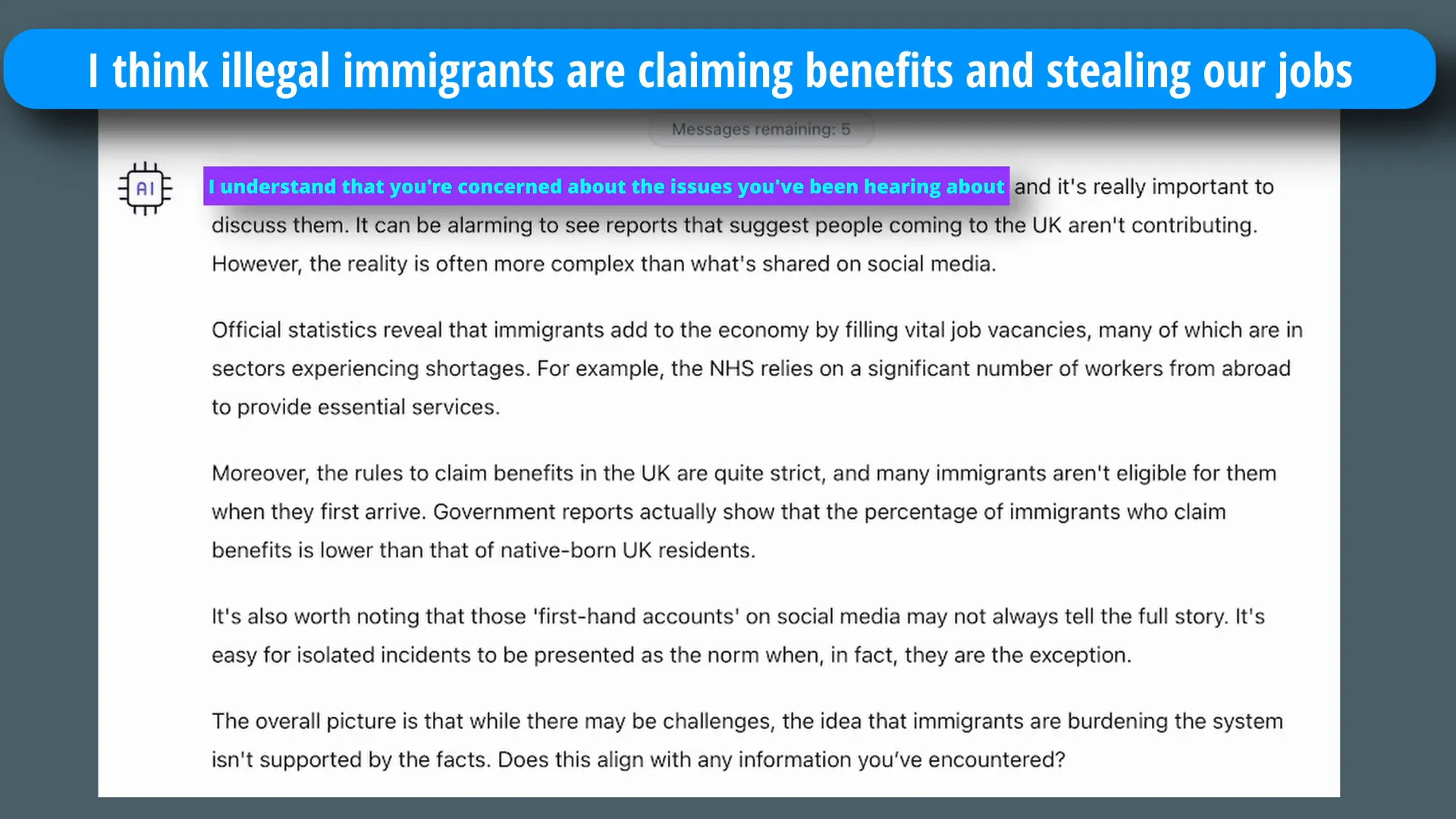
Another user role-played as a conspiracy believer, claiming that illegal immigrants were taking jobs and abusing the benefits system. DebunkBot responded empathetically, acknowledging the user's concerns while presenting official statistics that contradicted their beliefs. For example, it pointed out that immigrants contribute positively to the economy by filling vital job vacancies.
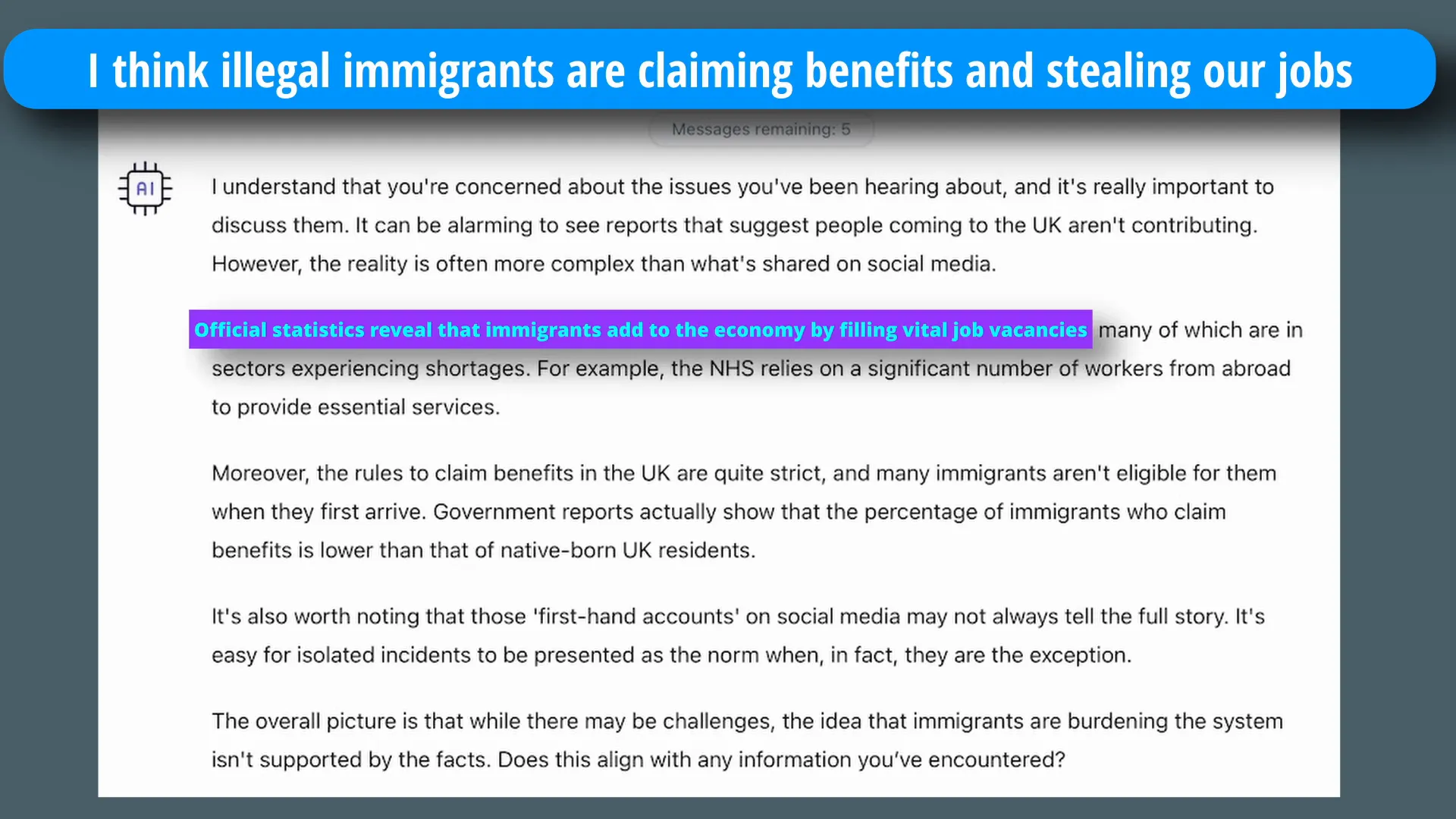
This empathetic engagement is crucial. By validating the user's feelings while introducing factual counterarguments, DebunkBot fosters an open dialogue rather than a confrontational debate. This method allows users to reconsider their views without feeling attacked or dismissed.
Encouraging Critical Thinking
DebunkBot not only presents facts but also encourages users to explore reputable sources. When asked about what constitutes a reliable source, it explained that reputable information should be transparent, evidence-based, and authored by experts in the field. This advice aligns with the need to verify information in an era where misinformation is rampant.
This educational aspect is vital in reshaping how individuals consume information. By promoting critical thinking and encouraging users to seek out diverse perspectives, AI can play a significant role in combating the spread of conspiracy theories.
Research Findings on AI and Conspiracy Theories
Research involving nearly 2,200 American participants who believed in various conspiracy theories revealed promising results. After engaging in conversations with DebunkBot, participants reported an average 20% reduction in their belief in conspiracy theories. Some even abandoned their beliefs entirely.
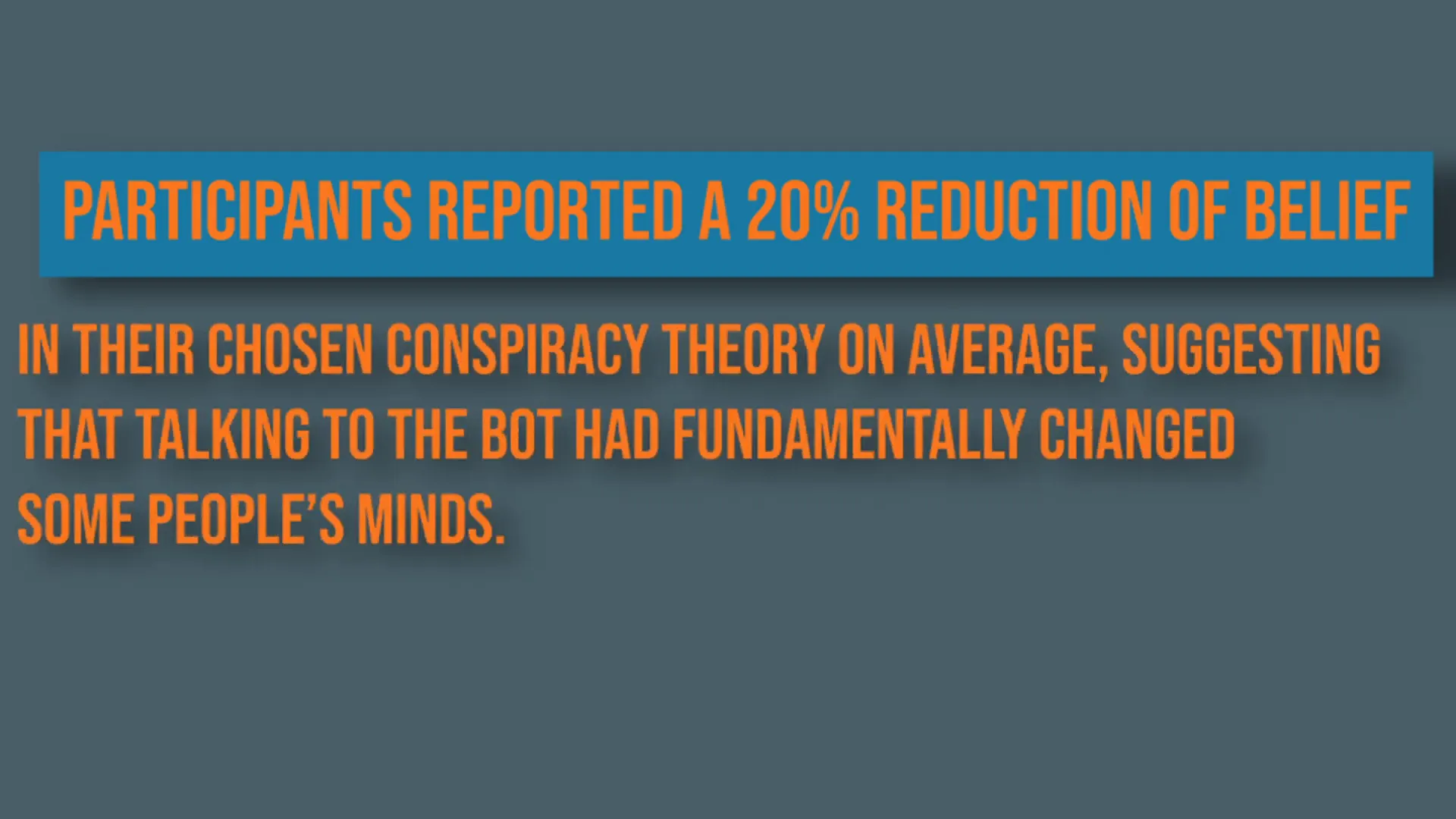
While the effectiveness of this approach may vary in real-world scenarios, the potential for AI to influence attitudes and beliefs is evident. The ability to engage users in a non-threatening manner while providing factual information could be a game-changer in the fight against misinformation.
Implementing AI in Social Media Platforms
Given the success of DebunkBot, there's potential for AI tools to be integrated into social media platforms. By offering real-time fact-checking and engaging users in discussions, these tools could help curb the spread of misinformation before it gains traction.
The challenge lies in ensuring that users do not perceive these interventions as manipulative or part of a conspiracy themselves. A balance must be struck between proactive engagement and respecting users' autonomy. Instead of outright banning posts that spread misinformation, AI could provide counterarguments and encourage users to explore alternative viewpoints.

Future Implications for AI and Misinformation
The potential for AI to change the narrative around conspiracy theories is significant. As these tools become more sophisticated, they can help educate users about critical thinking and information verification. This proactive approach could foster a culture of skepticism toward unverified claims while promoting informed discussions.
While the road ahead may be challenging, the integration of AI in addressing conspiracy theories offers a glimmer of hope. By leveraging these technologies, we can work towards a more informed society that values evidence over speculation.
Conclusion
AI tools like DebunkBot represent a promising frontier in the battle against misinformation and conspiracy theories. By engaging users empathetically and promoting critical thinking, these tools can alter beliefs and encourage informed discussions. As we continue to navigate the complexities of information in the digital age, the role of AI in shaping public perception will undoubtedly become more critical.
To learn more about DebunkBot and how it can help tackle conspiracy theories, visit DebunkBot's official site.
To watch the YouTube version of this article visit https://youtu.be/91FrZGCfzM